
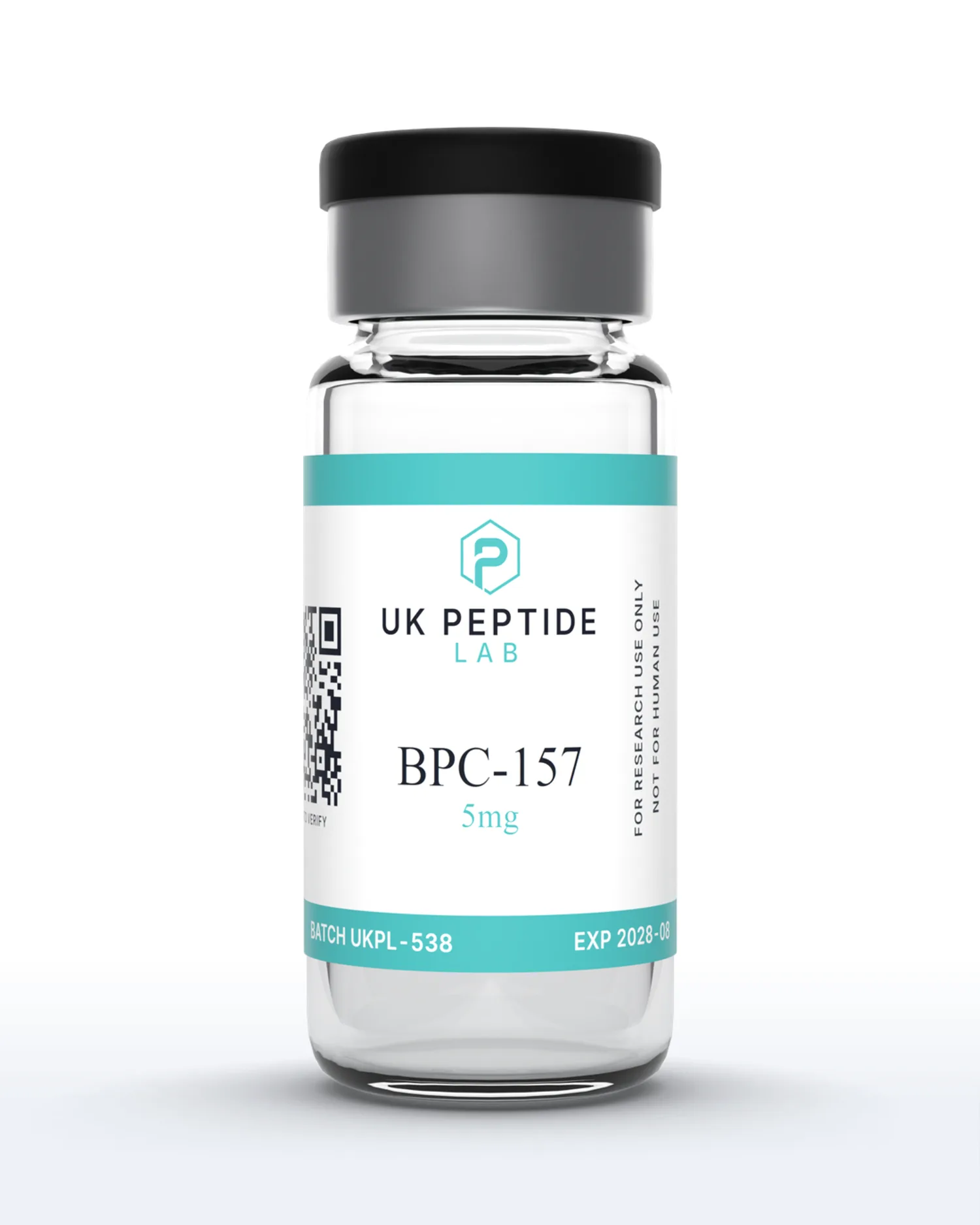
BPC-157
5mg
BPC-157 (Body Protection Compound-157) is a 15 amino acid synthetic peptide derived from a protein found in human gastric juice. Research has shown regenerative and protective properties across tendon, muscle, nervous system and GI tract tissue. Studies suggest BPC-157 interacts with the nitric oxide system and growth factor pathways. Unlike most peptides, it is stable in gastric juice, which is part of why it is one of the most heavily researched peptides available. Supplied as lyophilised powder, third-party tested, lab certificate published on this page.
Published research on BPC-157 is indexed on PubMed. See our full UK buyer's guide for Research Peptides.
Intended Use: Strictly for in-vitro laboratory research. Not for use in humans or animals. Not to be used in foods, drugs, or medical diagnostics. This product has not been evaluated by the MHRA or FDA. Buyer assumes full responsibility for safe handling and regulatory compliance.
99.74%
Purity
LAB
Certified
SAME
Day Ship
Expected back in stock in approximately 10 days. We'll email you as soon as this batch is available.
Certificate of Analysis
Third-party tested
Lyophilised Stability
24 months
Sealed at -20°C, light-protected
Reconstituted Stability
Up to 3 months
Stored at 2-8°C after mixing
Cold-Chain Shipping
Always
Dry-cold pack, Royal Mail Tracked 24
Important Notice
All compounds are sold individually and do not include research supplies. Products are provided in lyophilised (powder) form and require proper reconstitution before use in research settings.
Related Products
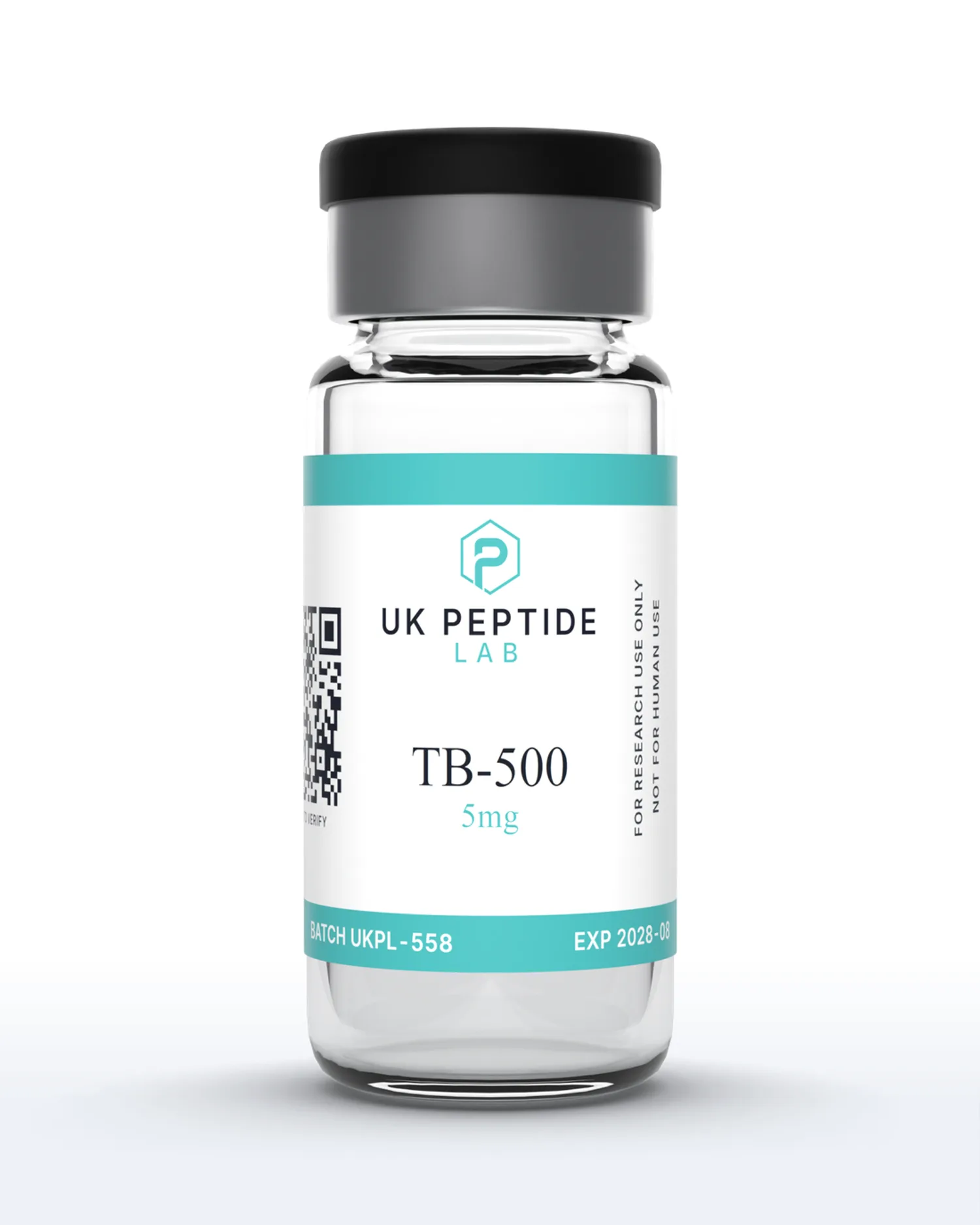
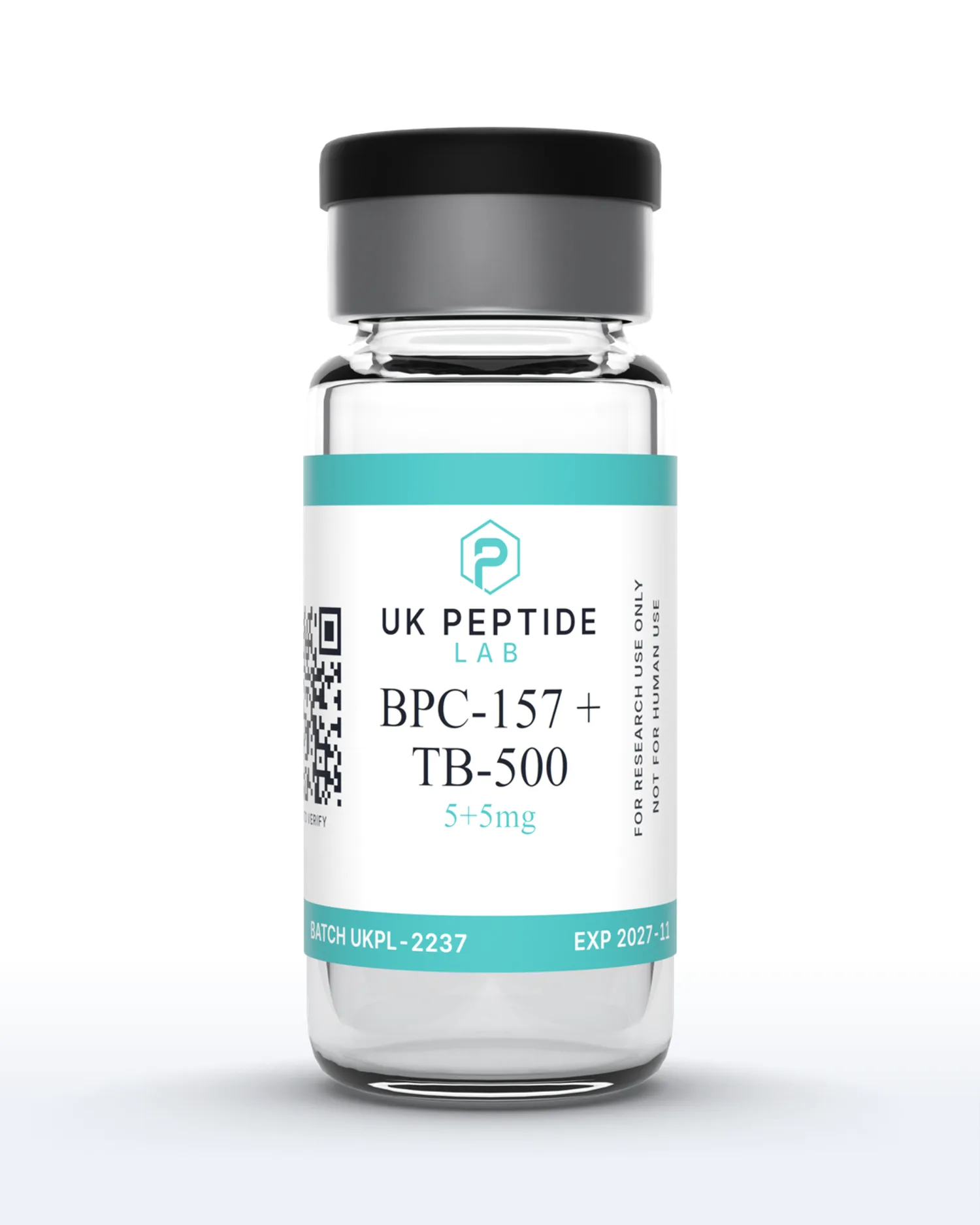
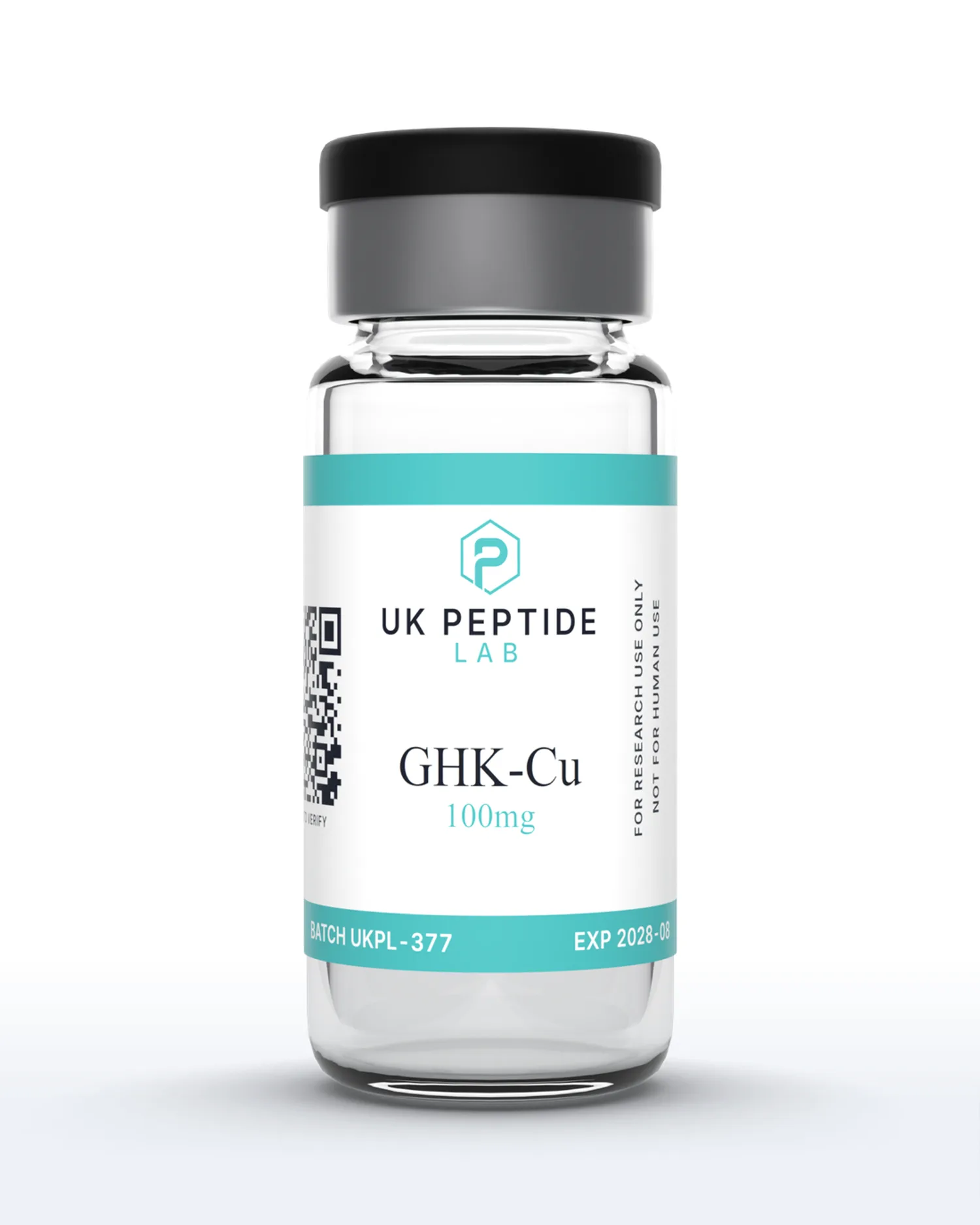
BPC-157 Price (UK)
BPC-157 is supplied in 2 vial sizes, priced from £17.99 for 5mg to £23.99 for 10mg. Every size ships from our UK facility with the same third-party HPLC certificate published on this page. UK delivery is £4.50 by Royal Mail Tracked 24, or free once your basket reaches £45 (£27.01 away at this price). Orders placed before 2pm on a working day are dispatched the same day.
| Vial | Price | Cost per mg | Availability |
|---|---|---|---|
| BPC-157 5mgThis page | £17.99 | £3.60 | Out of stock |
| BPC-157 10mg | £23.99 | £2.40Best value | In stock |
Prices are in GBP and shown per vial as supplied, lyophilised, for in-vitro laboratory research only. Cost per mg is given so researchers can compare vial sizes on a like-for-like basis. Stock and pricing on this table are read live from our inventory, so they match the basket. See our FAQ for delivery and payment options, and quality & testing for how each batch is verified.
Product Specifications
Research Overview
BPC-157, also written as BPC 157 or BPC157, is a synthetic pentadecapeptide with the sequence Gly-Glu-Pro-Pro-Pro-Gly-Lys-Pro-Ala-Asp-Asp-Ala-Gly-Leu-Val (GEPPPGKPADDAGLV), molecular formula C₆₂H₉₈N₁₆O₂₂ and molecular weight 1419.53 g/mol. It corresponds to a partial sequence of Body Protection Compound, a protein originally characterised in human gastric juice, which is where the BPC abbreviation comes from. Its most distinctive physicochemical property is hydrolytic stability at low pH, unlike almost every peptide of comparable length, BPC-157 resists degradation in human gastric juice, a characteristic emphasised throughout the published work of Sikiric and colleagues (Curr Med Chem, 2012). The sequence is proline-rich, with three consecutive prolines followed by a fourth at position eight, and that conformationally constrained backbone is the usual structural explanation offered for the resistance. Mechanistic research has converged on the VEGF signalling axis. Hsieh and colleagues (J Mol Med, 2017) reported that BPC 157 upregulated VEGFR2 expression and promoted receptor internalisation and downstream signalling in human umbilical vein endothelial cells, with increased tube formation in vitro and greater vessel density in a rodent hindlimb ischaemia model. A parallel line of work by Chang and colleagues (J Appl Physiol, 2011) examined cultured rat Achilles tendon fibroblasts and reported increased outgrowth, survival and migration alongside elevated phosphorylation of focal adhesion kinase (FAK) and paxillin, the adaptor pair coupling integrin engagement to cytoskeletal reorganisation. Additional preclinical work describes interaction with the nitric oxide system and upregulation of growth hormone receptor in tendon fibroblasts. The honest position on human evidence is that it is thin. BPC 157 entered early-phase clinical development for inflammatory bowel disease as PL 14736 (Pliva, Croatia), and a 2025 pilot examined intravenous administration in a small cohort, but no adequately powered randomised controlled trial exists. Researchers sourcing BPC 157 in the UK should treat it as what the literature supports, an extensively characterised in vitro and animal-model tool compound, supplied strictly for research use only.
Product Specifications
Laboratory Handling
- Store lyophilised vials at -20°C for long-term stability, protected from light and moisture. Reconstituted solution should be held at 2-8°C.
- Reconstitute with bacteriostatic water introduced slowly down the inner glass wall, never directly onto the lyophilised cake. Swirl gently, never shake or vortex, mechanical shear degrades the peptide.
- Work under aseptic conditions with sterile syringes and alcohol-swabbed stoppers. Use a laminar flow hood where available.
- Avoid repeated freeze-thaw cycles. Aliquot reconstituted stock into single-use volumes for experimental reproducibility, and label each aliquot with the reconstitution date.
Frequently Asked Questions
What is BPC-157?
BPC-157 (Body Protection Compound-157), also written BPC 157 or BPC157, is a synthetic pentadecapeptide of fifteen amino acids, sequence Gly-Glu-Pro-Pro-Pro-Gly-Lys-Pro-Ala-Asp-Asp-Ala-Gly-Leu-Val (GEPPPGKPADDAGLV), molecular formula C₆₂H₉₈N₁₆O₂₂, molecular weight 1419.53 g/mol, CAS 137525-51-0. It corresponds to a partial sequence of Body Protection Compound, a protein originally characterised in human gastric juice. Its defining physicochemical feature is resistance to hydrolysis at low pH, unusual for a peptide of this length and attributed to a proline-rich, conformationally constrained backbone carrying three consecutive prolines plus a fourth at position eight. BPC-157 has one of the largest preclinical literatures of any research peptide, spanning more than three decades, while human evidence remains limited to early-phase and pilot work. Supplied as lyophilised powder for in-vitro research use only, not a licensed medicine.
BPC-157 vs TB-500
BPC-157 and TB-500 are chemically unrelated and mechanistically complementary, which is why they are so often paired in preclinical tissue-repair designs. BPC-157 is a 15-residue, 1419.53 g/mol pentadecapeptide whose mechanistic literature centres on local angiogenic signalling, Hsieh and colleagues (J Mol Med, 2017) reported upregulation and internalisation of VEGFR2 in human endothelial cells, and Chang and colleagues (J Appl Physiol, 2011) reported increased FAK and paxillin phosphorylation with greater outgrowth and migration in cultured rat tendon fibroblasts. TB-500 is a 43-residue, 4963.4 g/mol thymosin beta 4 sequence acting through G-actin sequestration and integrin-linked kinase signalling, studied mainly in cardiac, corneal, dermal and skeletal muscle models. Researchers select BPC-157 when gastric mucosal integrity, the nitric oxide pathway, or local tendon and ligament models are the endpoint, and TB-500 when systemic cell motility or actin dynamics are. Neither substitutes for the other.
BPC-157 Research Applications
BPC-157 is investigated in in-vitro and animal models of angiogenesis and endothelial tube formation, tendon and ligament repair, gastrointestinal mucosal integrity and experimental colitis, nitric oxide pathway modulation, and cytoprotection across musculoskeletal, neural and digestive tissue. Reported molecular endpoints include VEGFR2 expression and internalisation, FAK and paxillin phosphorylation, growth hormone receptor expression in tendon fibroblasts, and Egr-1 pathway activity. Its stability in acidic media makes it a practical subject for both oral and parenteral animal study designs, and for in-vitro work where pH tolerance simplifies handling. It should be noted that the musculoskeletal evidence base remains preclinical, a 2025 scoping review by McGuire and colleagues in Current Reviews in Musculoskeletal Medicine found no adequately powered randomised controlled trials.
Reconstitution Guide
Allow vials to reach room temperature, then sterilise the rubber stopper of both the peptide vial and the bacteriostatic water vial with an alcohol swab. Slowly draw your bacteriostatic water into a sterile insulin syringe, then inject it gently down the inner glass wall of the peptide vial, never directly onto the lyophilised powder. Once added, gently swirl the vial in a slow circular motion until fully dissolved. Never shake or vortex, mechanical shear degrades the peptide. The solution should be clear and colourless. Label the vial with the reconstitution date and store immediately.
See our full peptide reconstitution guide and reconstitution calculator for step-by-step protocol.
Storage Instructions
Lyophilised vials should be stored at -20°C, protected from light and moisture, and remain stable for up to 24 months. Once reconstituted with bacteriostatic water, store the solution at 2-8°C (standard refrigerator) and use within approximately 3 months. For storage beyond that, prepare single-use aliquots at -20°C, where reconstituted peptide remains stable for up to 6 months. Avoid repeated freeze-thaw cycles and always handle under sterile laboratory conditions.
Frequently Asked Questions
Research References
- Therapeutic potential of pro-angiogenic BPC157 is associated with VEGFR2 activation and up-regulation (Hsieh et al., J Mol Med, 2017)
- BPC 157 promotes tendon healing via tendon outgrowth, cell survival and cell migration, FAK and paxillin phosphorylation (Chang et al., J Appl Physiol, 2011)
- Regeneration or Risk? A Narrative Review of BPC-157 for Musculoskeletal Healing (McGuire et al., Curr Rev Musculoskelet Med, 2025)